• notes
    • Contact
    • Me
Menu

Shake Up The Routine

Street Address
City, State, Zip
Phone Number

Your Custom Text Here

Shake Up The Routine

  • notes
  • Enquire
    • Contact
  • About
    • Me

New Old Age

February 18, 2026 Ifeanyi Osiegbu

Life used to come with a very clear script.

Three crude acts:

  • You learned in the beginning

  • You worked in the middle

  • You retired and slowed down in the end.

That script made sense when most people didn’t live much past their seventies.

But there’s a New Old Age - hat tip to Time Magazine for the title of this note.

In their recent longevity issue they state how outdated that version of life is now.

Many of us will live into our eighties, nineties and beyond.

We’re living longer lives within social systems ill equipped and unprepared for that reality.

Most of our institutions still assume work ends, our contributions fade and so to do our bodies.

But The New Old Age argues the opposite:

We’re capable of learning, mentoring, contributing, and leading well into our elder years if we just keep up the regular fine tuning.

I’m in my late 40s, pretty soon I’ll be 50 and for a while my goals have shifted away from personal bests and max lifts. I tell people my goal is to be strong enough to lift all my great-grandbabies, buses willing.

Repeated Marginal Gains

February 10, 2026 Ifeanyi Osiegbu

The trap many of us fall into is banking everything on all-out efforts.

They can bring change briefly, and they do provide feedback in the form of sore muscles.

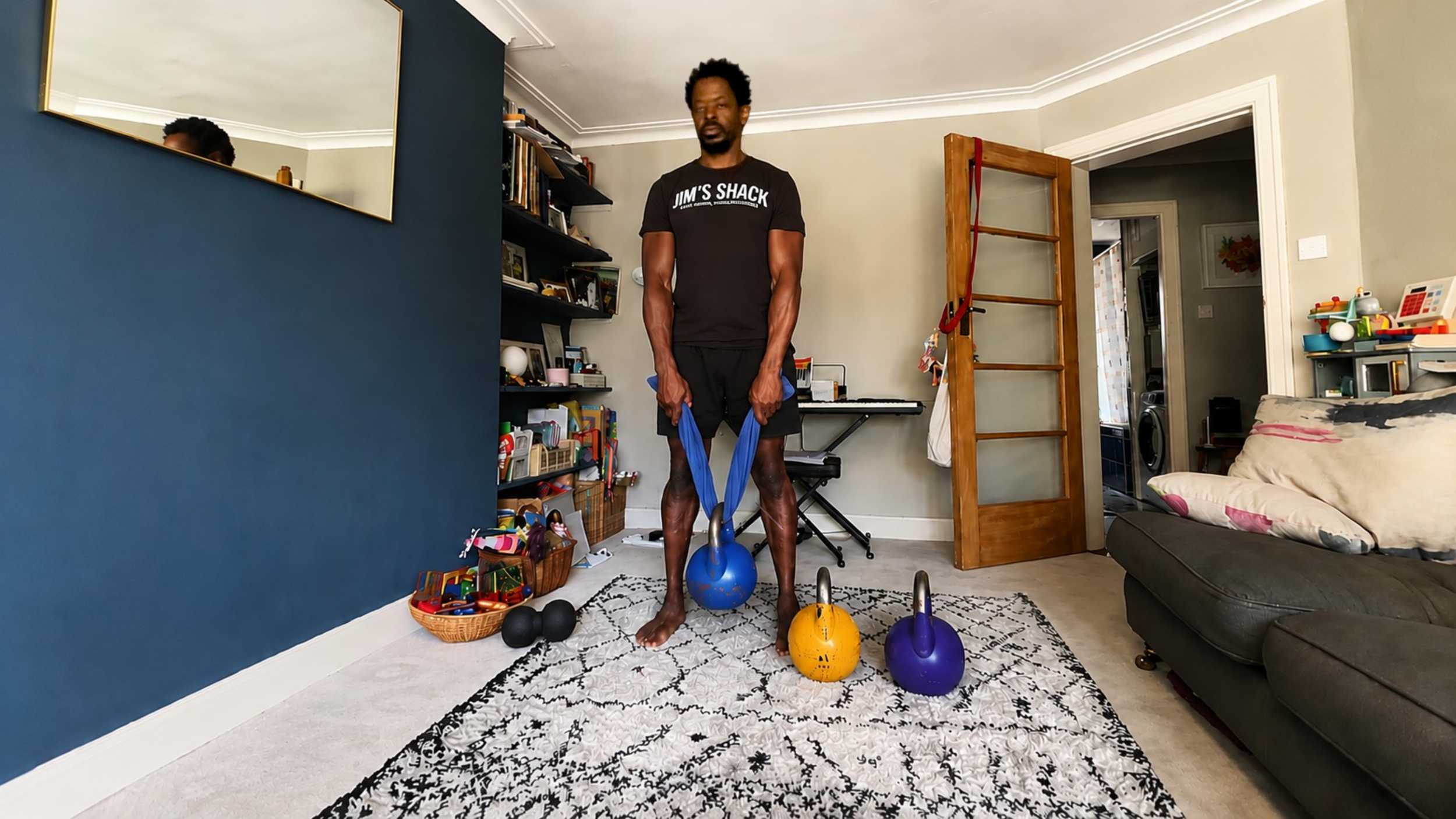
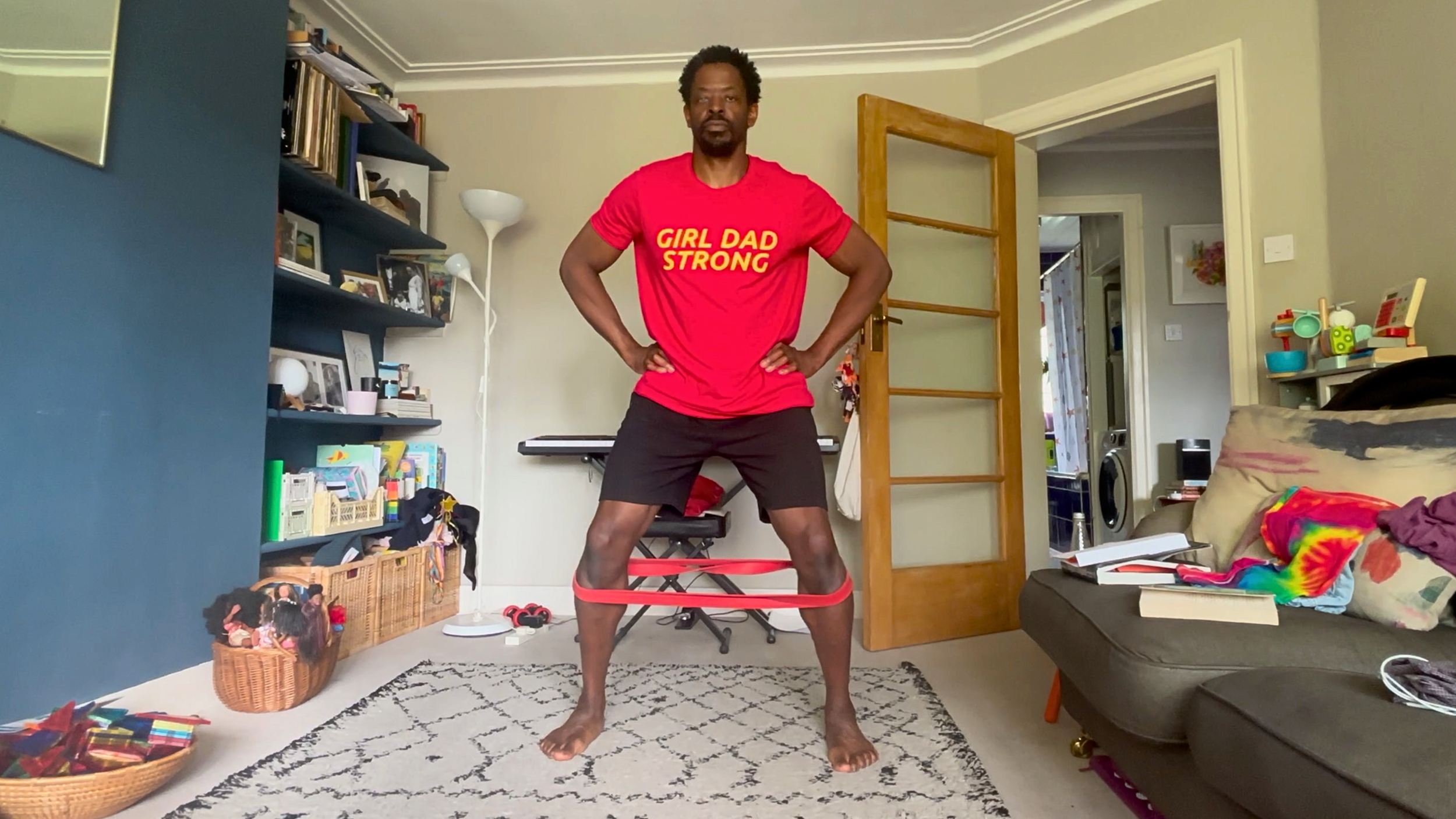
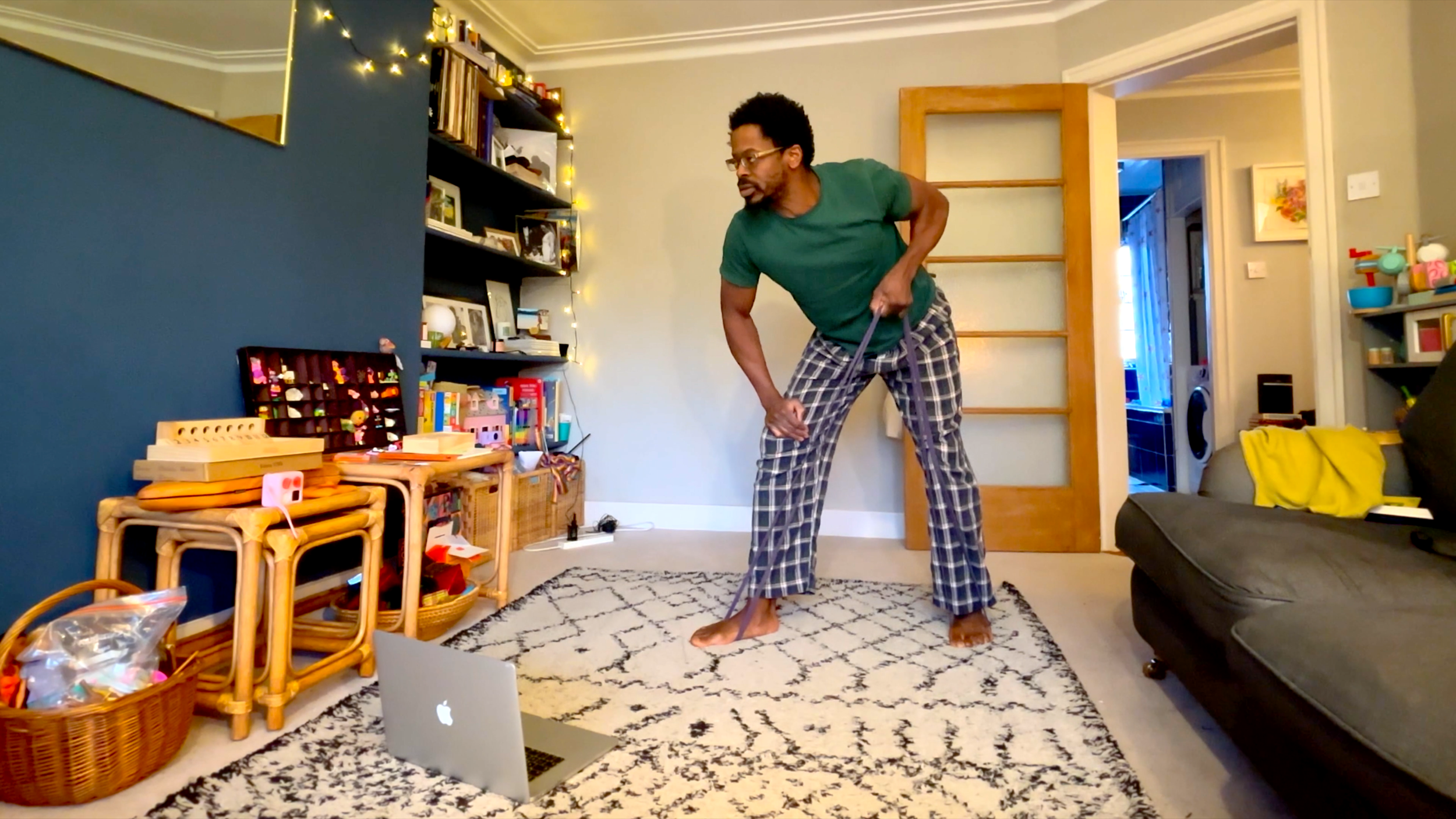
But less dramatic, less glamorous, and more regular approaches, like some resistance band rows between Zoom calls, are what change our trajectory positively.

Building physical strength and ability is the result of small, repeated marginal gains. And it requires a shift in how we pursue healthy living. A move away from constant goal-seeking and more towards system-building.

The aim is to rely less on willpower, because it rarely lasts. This needs to become something you simply do. No heroic sessions are needed, and no punishment disguised as discipline required.

Attach it to the idea of being useful.

Your workouts should protect joints, preserve strength and agility, and keep you moving with confidence.

Trusting yourself to move, to lift, and to comfortably get off the floor might not be exciting. But week after week, year after year, a consistent movement practice quietly banks your longevity.

The success of your system is built on what you can repeat on your worst weeks, not just your best ones.

Not everything goes smoothly. When sleep is broken, work spills into life, or motivation is low, the goal is not to add fuel to the fire by destroying yourself through training.

The goal is to make repeated marginal gains and still feel capable when it matters.

Grieving Through Reps

January 20, 2026 Ifeanyi Osiegbu

Last week, my wife and I watched Goodbye June, and the tears flowed. We’ve both lost our mothers recently, but we grieved in very different ways.

I wrote about how I dealt with it last month, during Christmas, which also happens to be my mum’s birthday month.

It’s not advice. Just an observation that might resonate if you’ve been through loss yourself.


Getting into shape, or becoming “obsessed” with health, isn’t something we usually associate with vulnerability or grief.

When people picture grief, they tend to recognise the familiar responses: not being able to get out of bed, turning to alcohol, shutting down.

But expressing pain through movement or creativity?

That’s rarely the first thing that comes to mind. And yet grief affects the mind and body in much the same way as chronic stress. Fight-or-flight gets activated, but with nowhere to go. The energy has no outlet, so it just sits there.

Exercise gives it an exit. Movement gives pain somewhere to go, instead of letting it corrode you quietly from the inside.

A lot of trauma theory suggests emotional pain is stored in the body. And because many of us are disconnected from our physical selves, we rarely discharge it.

Physical activity lets some of that pressure escape.

Especially when grief comes with anger. For me, it often shows up as loops of anger and guilt. Angry that I couldn’t protect or save my mum. Then guilty. Angry that she’s not here to see her granddaughter grow. Then guilty for thinking that. And round it goes.

Exercise is the one thing that reliably pulls me out of that spiral.

It gives those emotions a socially acceptable place to go. It’s simply an easier form of expression for me. Talking one-to-one can feel like picking at a scab. And I know I’m not alone in that.

For people whose nervous systems find talking overwhelming, physical or creative expression can be a more accessible way to process emotion.

But I’m also aware that timing matters.

If I’d lost my mum at another point in my life, maybe my coping mechanisms would have looked very different. Maybe it would have been alcohol, maybe days in bed, maybe shutting down completely.

Perhaps becoming a father later in life nudged me toward movement and creativity as a valid way to cope.

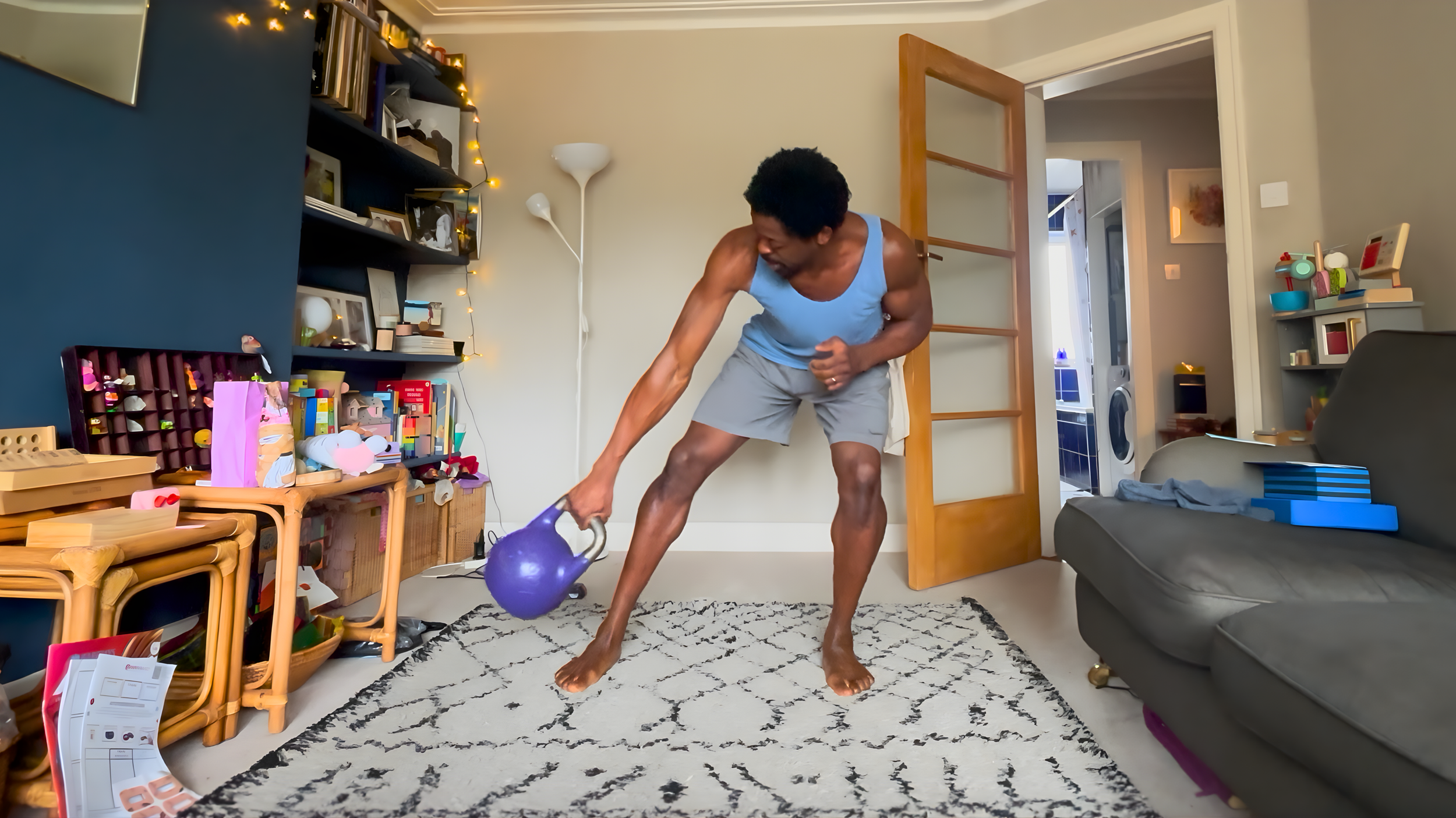
Normally my workouts are structured. Recently, they haven’t been. I’ve been letting my body move in whatever way feels called for.

Writing this gave my grief some direction. If it resonated with someone else, then it gave the pain a little purpose too.

Thank you for reading. You’ve indulged me.

Think In Decades

January 15, 2026 Ifeanyi Osiegbu

Strength looks different in midlife

Becoming a dad has a mirror effect. It doesn’t just reflect who you are, it shows you who you need to be.

As I move deeper into my 40s, my relationship with strength has changed. It matters less how it looks and more what it allows me to do.

Being useful. Being reliable. Being physically capable for the people who depend on me.

At a shallow level, I’d quite like to be a future contender for top five male physiques in the retirement home.

But that’s not the real goal.

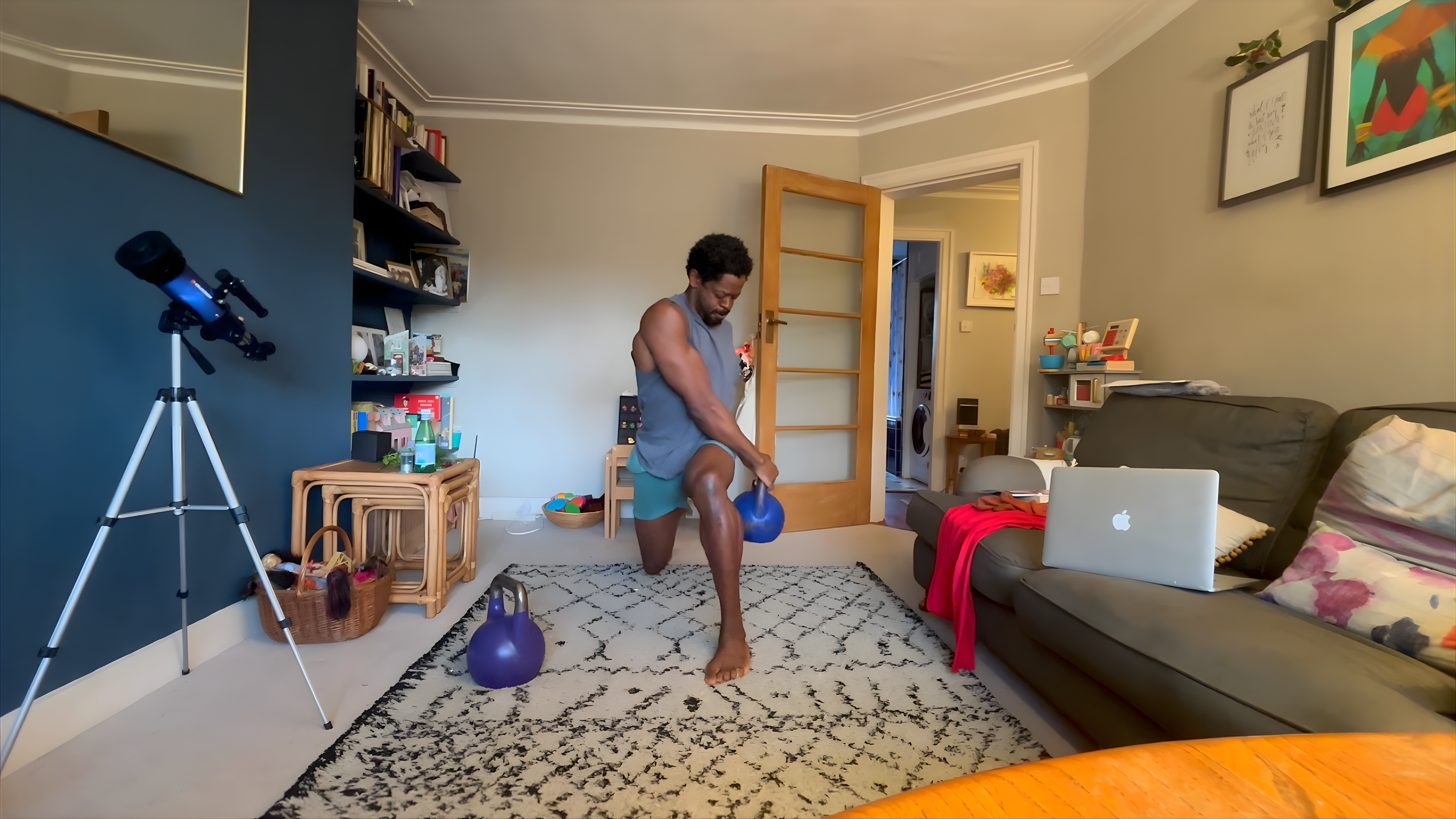
The real goal is to be strong and agile enough to cause mischief with my grandkids when they come to visit.

Lowering friction beats chasing motivation

I don’t need sophisticated equipment or perfect conditions to work towards that.

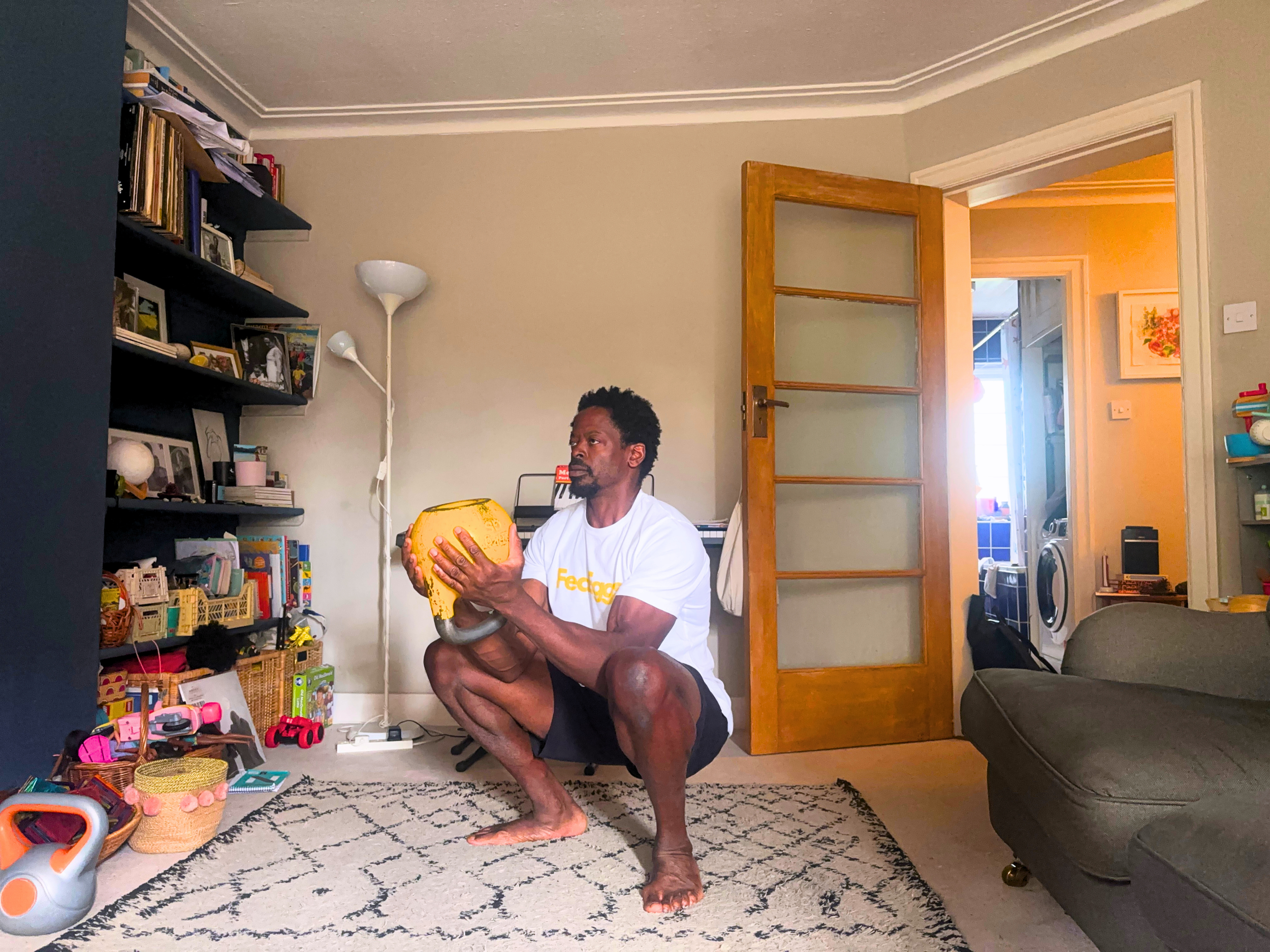
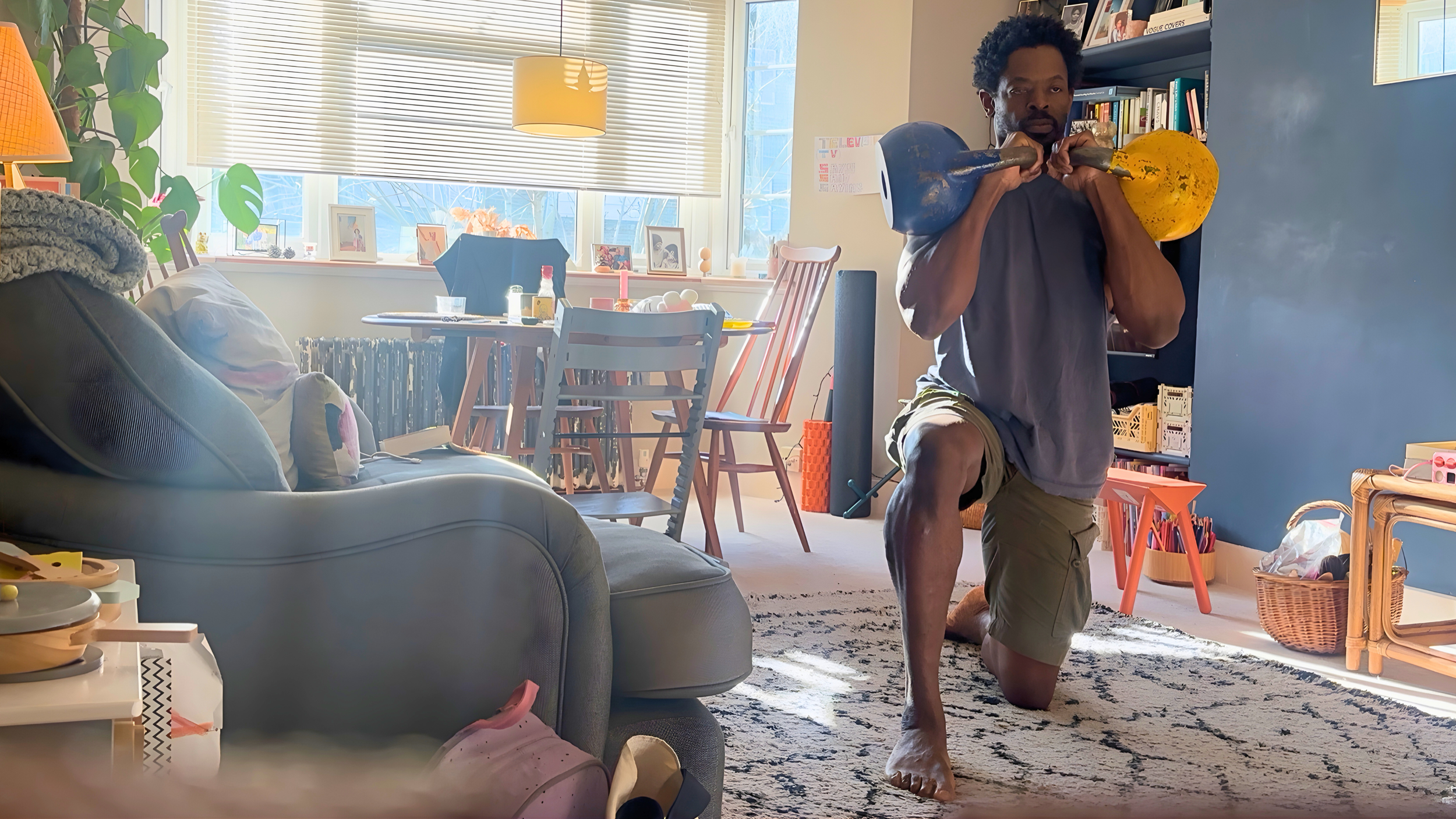
One of the biggest benefits of training at home is reducing the hurdles that stop people moving at all.

The getting ready. Leaving the house. Time pressure. The feeling of being watched or judged.

Lower the friction and consistency becomes much easier.

If you work from home, you don’t need a gruelling hour carved out of your day. You can spread movement throughout it. A few sets here. A few sets there.

For many people, that’s far more sustainable.

Trusting your body matters more as you age

One of the biggest lessons from the past year has been prioritising my legs.

When I do this, sleep improves. Movement confidence improves. My body feels more trustworthy at 46.

And trust in your own body becomes increasingly important as you age.

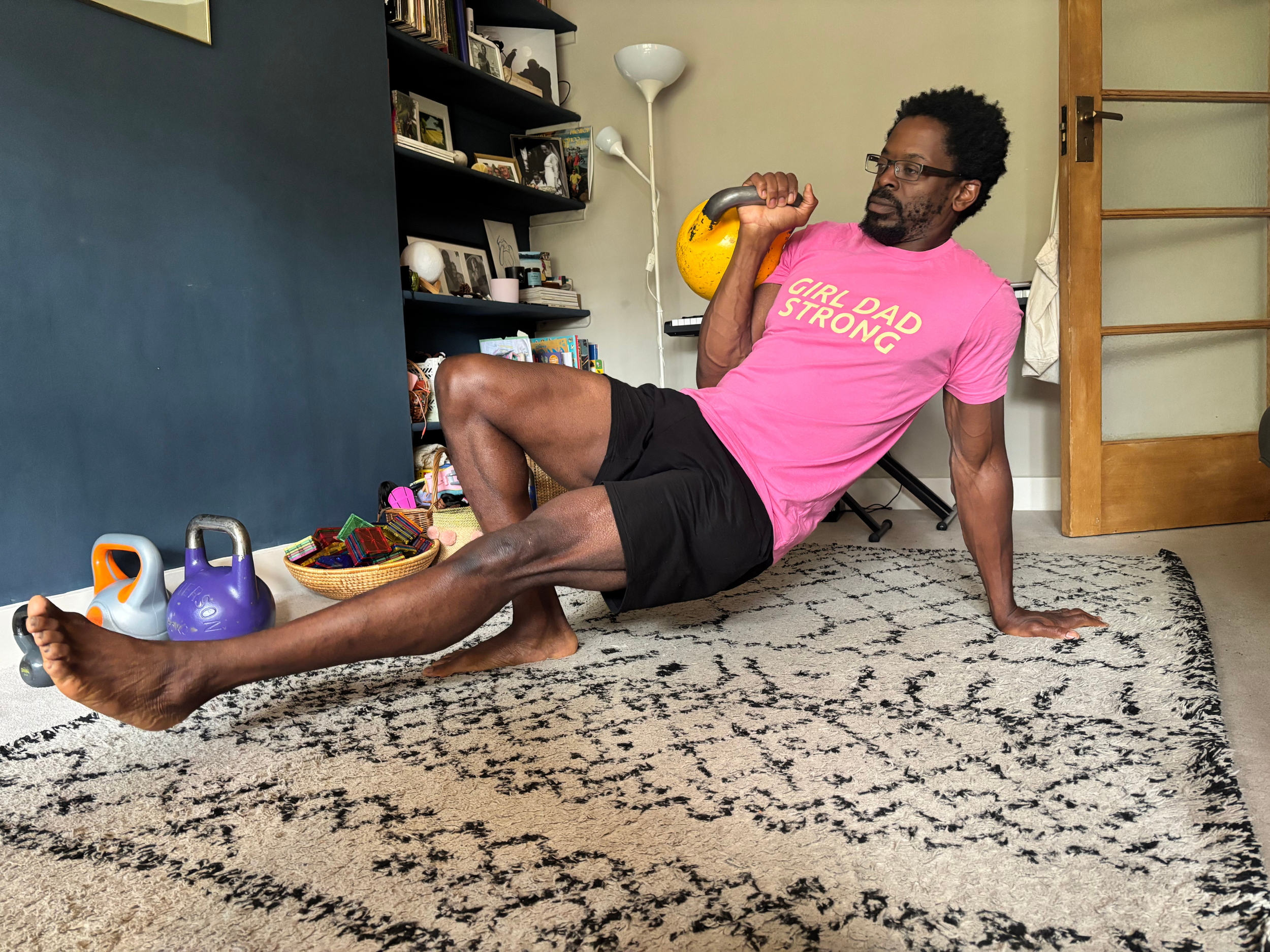
Relying only on tidy, efficient movement will only get us so far. The body doesn’t always want tidy. It wants full physical expression.

Twisting. Turning. Playing.

Children understand this instinctively. They move fluidly and generate force through the whole body.

Part of training well in midlife is relearning how to move as a unit again.

Rotation. Coordination. Balance.

Ironically, by focusing less on chasing muscle and more on moving well, I’ve managed to maintain it anyway.

Think in decades, not months

While the body is complex, what it needs is often simple.

Consistent movement. Quality sleep. Natural food. Patience.

Think in decades, not 30-day transformations.

This time of year, a lot of people think about resolutions.

But for busy dads especially, the better question might not be:

“What do I want to look like?”

But: “What do I want to be capable of?”

Building muscle is often just a welcome side effect of thinking long term.

Looking after yourself isn’t selfish. It’s responsible.

This perspective is shaped by conversations I’ve had with busy dads I work with in Putney, Wimbledon, Richmond and Balham.